


TRIBOO
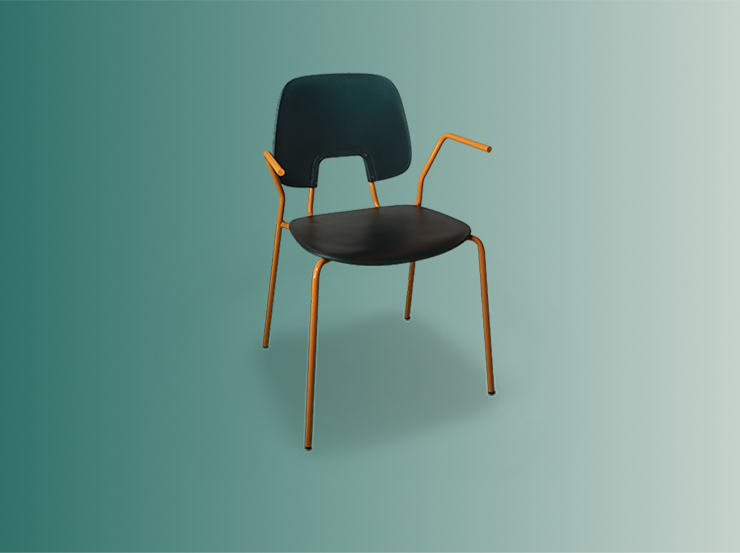
R.U.M. demonstrates how discarded fishing nets can be transformed into a comfortable and distinctive designer chair. The seat and backrest are made from granulated fishing nets recovered from the oceans and are combined with a frame made of recycled steel. The result is a lightweight, stackable chair that brings together circular material use and Scandinavian design.


Chairs
From Discarded Fishing Nets to Circular Seating Comfort
R.U.M. stands for ReUsed Materials and was developed from the initial design stage onward in accordance with the principles of the circular economy. The chair repurposes used fishing nets and brings the story behind the raw materials to life in the interior. Thanks to its functional design and stackable construction, R.U.M. is suitable for cafeterias, conference rooms, restaurants, and informal gathering spaces.


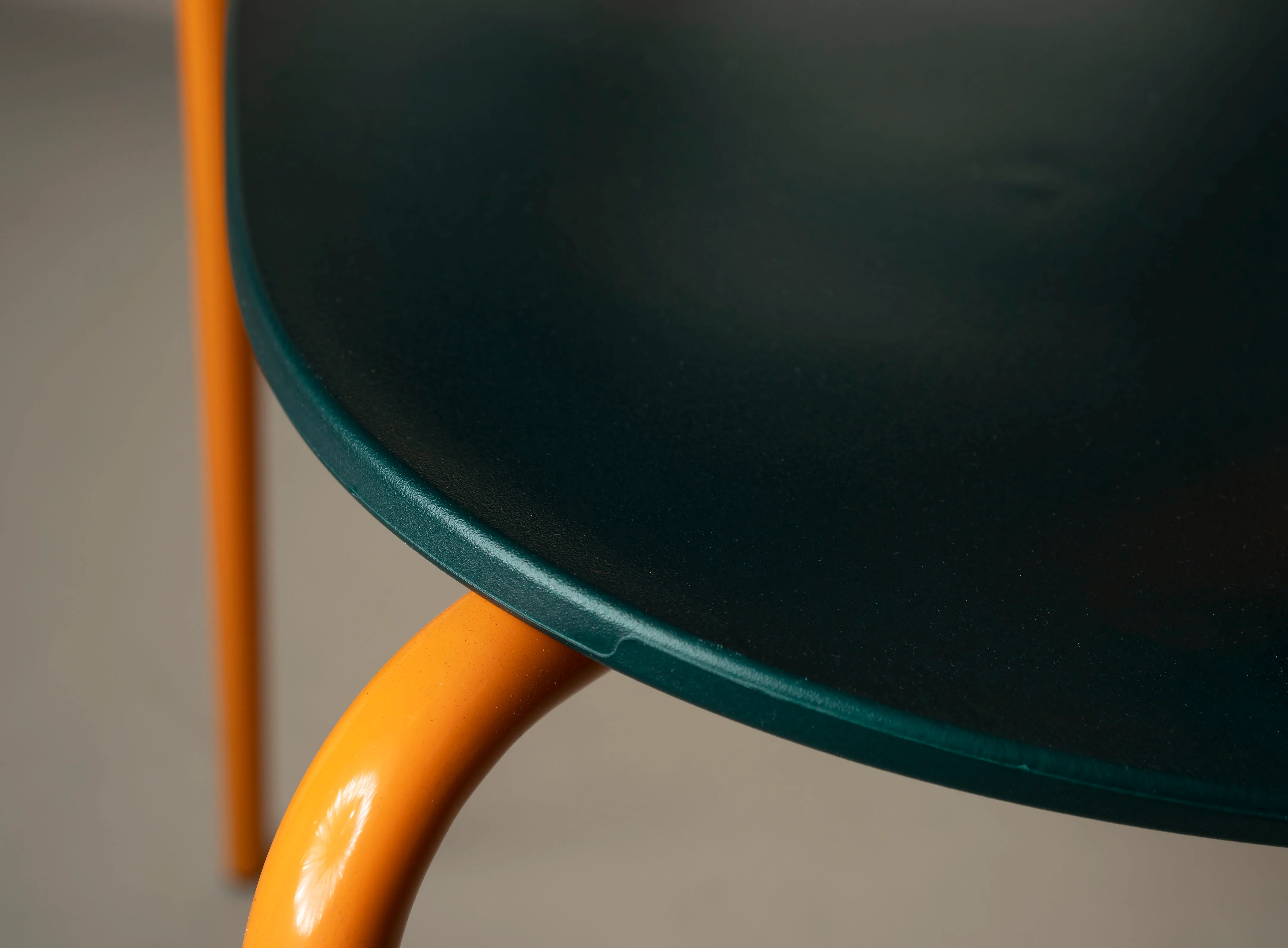
The plastic components of the R.U.M. chair are made from discarded fishing nets that are ground into granules. This recycled material is then remolded into the seat, backrest, and parts that protect the frame. By reusing existing plastic waste streams, the need for new fossil-based raw materials is reduced. The origin of the material is not hidden; rather, it is an important part of the chair’s identity.
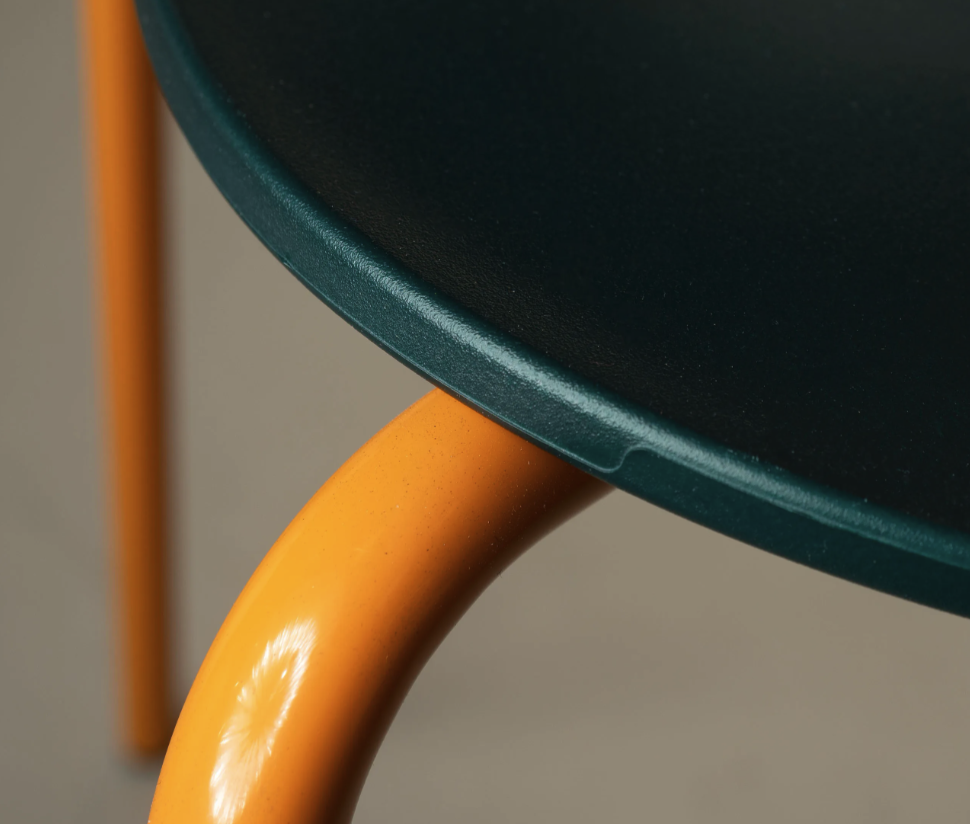
R.U.M. is designed with multiple life cycles in mind. The various components can be separated from one another, making them easier to maintain, replace, and reuse. At the end of their useful life, the materials can be recycled instead of ending up as waste. Wehlers also offers a take-back program through which used chairs can be collected, refurbished, and put back into service. This ensures that the value of the raw materials is preserved for as long as possible.
The R.U.M. chair was designed by C.F. Møller Architects and is manufactured by the Danish company Wehlers. The gentle, curved shapes of the seat and backrest subtly evoke pebbles and waves along the coast. The connection between the backrest and the frame also serves as a practical handle, making it easy to move the chair. When multiple chairs are placed side by side, this shape creates a distinctive undulating pattern of lines.
Discover how you can design your workspace—whether at the office or at home—in a circular way with high-quality, eye-catching furniture made with fewer materials, lower CO2 emissions, and less waste. Request our brochure below.


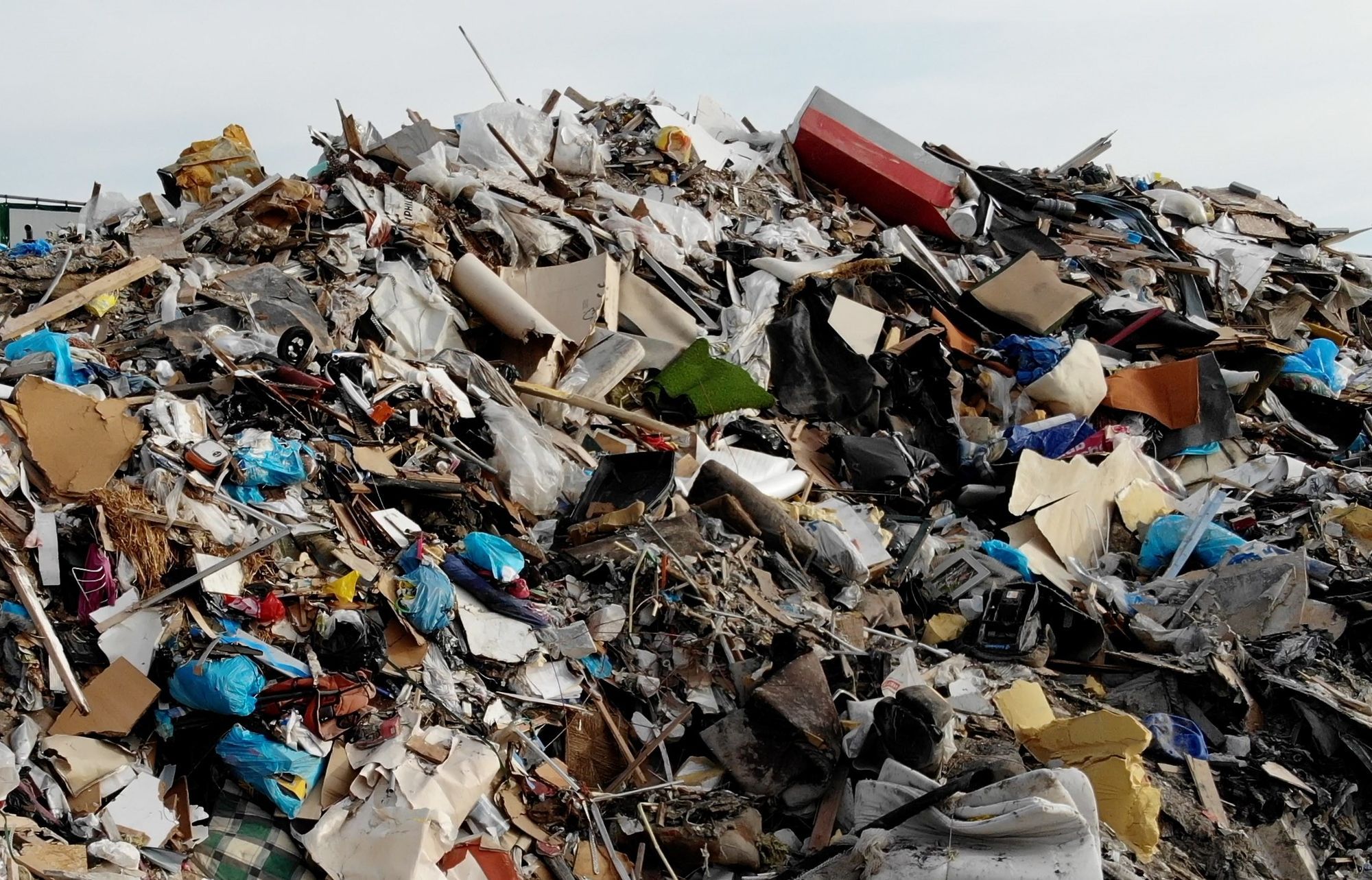
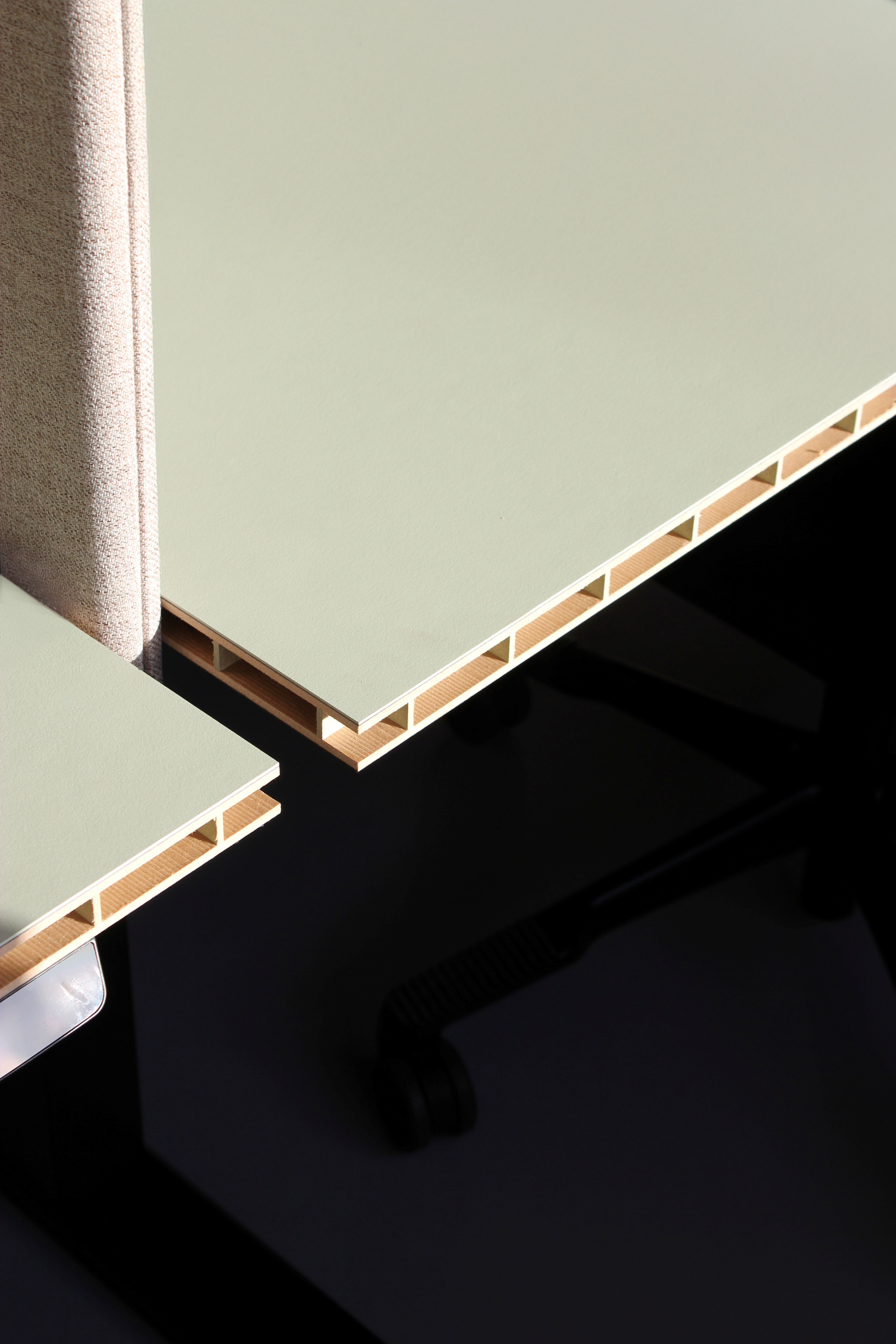
Our circular design principles are focused on reducing CO2 emissions in furniture. Detachable connections, modular construction, single-material designs, reuse, etc. All our knowledge and energy are directed toward preserving the value of materials and reusing raw materials in high-quality applications.
Together, we’re taking steps toward a healthier, circular work environment. Whether you want to furnish a single room or renovate an entire office, we’d be happy to work with you to find the right solution.
.webp)









.jpg)


.jpg)


